Before delving into the world of wireless home security, it’s crucial to evaluate the costs associated with their installation. Understanding these costs can help homeowners make informed decisions about their security needs and budget allocations. Evaluating the costs of wireless security system installation include initial equipment cost, installation fee, monitoring fee, and a lot more. Let’s discuss in detail.
Initial Equipment Costs
The first aspect to consider when evaluating the costs of wireless security system installation is the initial equipment investment. This includes cameras, sensors, control panels, and other components necessary for the system. While wireless systems may eliminate the need for extensive wiring, the cost of the equipment itself can vary significantly depending on the brand, features, and quality. Homeowners should research different options and assess their security requirements to determine the most suitable equipment within their budget.
Professional Installation Fees
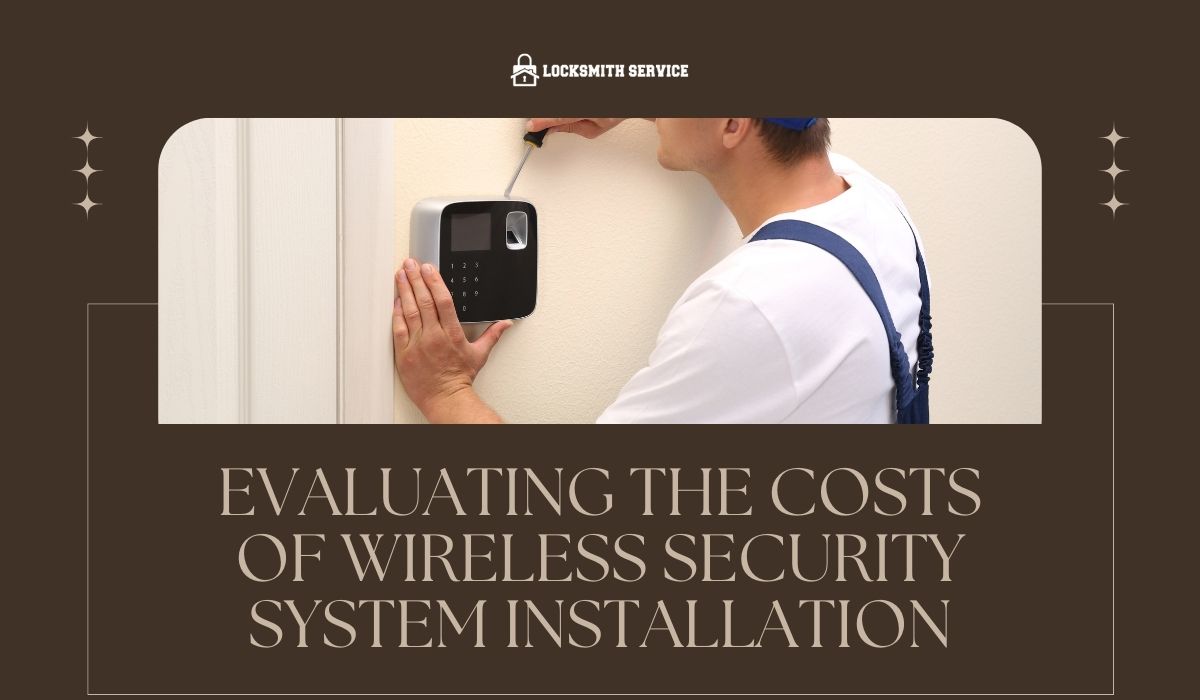
Although wireless security systems are generally easier to install compared to traditional wired systems, many homeowners still opt for professional installation services. Professional installation ensures that the system is set up correctly and optimally positioned for maximum effectiveness. However, it’s essential to factor in the additional cost of hiring technicians for installation. While some companies offer free installation as part of their packages, others may charge a fee, which varies depending on the complexity of the setup and the provider.
Monthly Monitoring Fees
Another recurring cost associated with wireless security systems is monthly monitoring fees. These fees cover services such as 24/7 monitoring, alerts to authorities in case of emergencies, and remote access to the system via mobile apps or web portals. While some homeowners may opt for self-monitoring options to save on monthly fees, professional monitoring provides an extra layer of security and peace of mind. Evaluating different monitoring plans and comparing costs can help homeowners choose a package that aligns with their budget and security needs.
Maintenance and Upkeep Expenses
Like any electronic system, wireless security systems require regular maintenance to ensure optimal performance. This includes tasks such as replacing batteries in sensors and cameras, updating software, and performing system checks to identify any potential issues. While maintenance costs are typically minimal compared to the initial investment, they should still be considered when evaluating the overall cost of owning a wireless security system. Homeowners should inquire about maintenance requirements and associated costs before purchasing a system to avoid any surprises down the line.
Integration with Existing Infrastructure
For homeowners who already have smart home devices or home automation systems in place, integrating a wireless security system may incur additional costs. While many wireless security systems are designed to be compatible with various smart home platforms, there may be compatibility issues or the need for additional equipment such as hubs or bridges, to facilitate integration. Evaluating the compatibility of a security system with existing infrastructure and calculating any additional costs for integration is essential to ensure a seamless and efficient setup.
Long-term Value and Return on Investment
Beyond the upfront and ongoing costs, it’s essential to consider the long-term value and return on investment (ROI) of a wireless security system. While wireless systems may require a higher initial investment compared to their wired counterparts, they offer greater flexibility, scalability, and ease of use, which can translate into increased property value and enhanced security over time. Additionally, the potential savings from preventing break-ins or minimizing property damage in the event of an incident can outweigh the costs of installation and monitoring fees. Evaluating the long-term benefits and ROI can help homeowners justify the initial investment in a wireless security system.
Conclusion
In conclusion, evaluating the costs of wireless security system installation is crucial for homeowners looking to enhance their home’s security. By considering factors such as initial equipment costs, professional installation fees, monthly monitoring fees, maintenance expenses, integration with existing infrastructure, and long-term value, homeowners can make informed decisions that align with their budget and security needs. While the costs of wireless security systems may vary depending on various factors, investing in a reliable and comprehensive system can provide invaluable peace of mind and protection for you and your family.
Ensure peace of mind with professional installation of your home security system by Locksmith Service. Trust experts for your safety. Contact us today!